Creation Regained · 2026
The Programme
Fifteen talks over three days, reading the doctrine of creation across Biblical, Historical, Systematic, and Practical theology.
1–3 September 2026 · Reformed Church of Hout Bay, Cape Town
About the conference
The Cape Town Theology Conference is a Patristic, Reformed, Confessional, Evangelical, and Academic gathering for the church, bringing together pastors, students, and scholars to recover a rich doctrine of creation.
Through biblical, historical, systematic, and practical theology, the conference explores creation from Genesis to the New Testament, engages the witness of the early church and the Reformed tradition, and addresses contemporary questions in theology, science, culture, and Christian scholarship.
Rooted in the historic Christian faith and the Reformed confessions, the conference seeks to serve the church by demonstrating how the doctrine of creation shapes worship, discipleship, and faithful witness in the modern world.
15
Talks
3
Days
12
Speakers
The Programme
Fifteen talks over three days.
Talks run in the order below. Session times, breaks, and meals will be confirmed closer to the conference.
Day 01
Tuesday 1 September
01
Welcome and Introduction
13:00 · Corné Blaauw
02
The Interpretation of Genesis from Genesis to Jesus
13:30 · Martin Ricquebourg
Read abstract
What are the oldest and most reliable interpretations of Genesis 1–11, and what can we learn from them? I believe that narratival logic and the testimony of more than 1,500 biblical citations, spanning at least 1,500 years of revelation, establish a robust conclusion: from the days of Moses to Jesus Christ, the account in Genesis 1–11 was accepted as factual history.
03
In the Space of Six Days: A Dogmatic Account of Creation
15:00 · Hans Madueme
Read abstract
In this talk, I will argue that the Christian doctrine of creation is best understood from the perspective of a recent creation. While this claim is controversial in academia today, it should not be. Given how God has revealed himself in Scripture, we should not separate the fact of creation from the mechanism of creation; in short, the doctrine of creation is inseparable from young-earth creationism. I will make that case in light of creation from nothing (creatio ex nihilo), the six days of creation (Genesis 1), and God’s self-revelation in his Son Jesus Christ.
04
The Covenant of Works and the Law
16:00 · Antonio Coppola
Read abstract
The covenant of works, established by God with Adam in Eden, set the condition of eternal life upon perfect obedience, and the penalty of death upon disobedience. Adam, as the federal head of mankind, broke this covenant, bringing sin, curse, and death upon him and all his descendants. While some argue it was a gracious covenant, classic Reformed theology distinguishes it from the covenant of grace, which offers salvation through Christ. Jesus, the “last Adam,” fulfilled the covenant of works by his perfect obedience and sacrificial death, securing eternal life as a gift of grace for all who believe in him. Thus Christ’s fulfilment of the covenant of works forms the very foundation of the gospel. This paper makes use of Reformed writers like Olevianus, Ursinus, Rollock, Turretin, Brakel, and Witsius against modern reinterpretations, as in John Murray and Karl Barth.
05
Advice to Creationists: An Intellectual Journey in Creation Studies
17:30 · Hans Madueme
Can’t make the daytime sessions? Get an Evening Keynote pass — R200
Read abstract
This talk recounts my gradual evolution into creationism, a shift in my thinking about Christian dogmatics that was unexpected and unplanned. Ever since medical school, I’ve been haunted by the challenge of biblical authority in a scientific age; that question informed my work in hamartiology and forced me to grapple with the theological implications of evolution. I ended up participating in various initiatives, symposia, and research projects convened by groups like Templeton, BioLogos, the Creation Project, and Oxford University. In the process, surprisingly, I became a creationist. In this talk, I will share that story and the lessons learned.
Day 02
Wednesday 2 September
06
Humanity Created in the Image of God
09:00 · Daniel Simango
Read abstract
This paper examines the image of God in Genesis 1:26–27 within the literary context of Genesis 1–11. It asks whether Genesis 1–11 explicitly or implicitly defines what it means for humanity to bear God’s image and likeness. The paper argues that the imago Dei is both moral and relational, involving likeness to God’s character and a relationship between God and humanity analogous to that of parent and child. Using a biblical-theological approach, the study traces this concept through the Mosaic Law and the New Testament within the broader canonical witness of Scripture.
07
Grace in the Garden of Eden in Puritan Theology
10:00 · Mark Jones
Read abstract
This paper examines the theological relationship between nature and grace, arguing that grace must be understood in light of God’s essential goodness and graciousness. God’s grace is not merely an attribute applied to salvation but reflects his very nature and governs his relationship with creation. The paper distinguishes grace from nature while emphasizing that grace does not oppose nature but elevates, restores, and perfects it. Through consideration of Adam’s original righteousness, the image of God, human depravity, and sin as both privation and positive inclination, the paper demonstrates humanity’s need for supernatural grace. Ultimately, grace restores fallen nature and brings humanity toward its supernatural end.
08
Creation as a Picture of the Tabernacle and Temple
11:30 · Sizwe Maseti
Read abstract
This paper examines the idea of the presence of the Temple (or Tabernacle) theology in the Garden and its implications for biblical interpretation. Using the literary and ANE contextual analysis, the study argues that the description of the Garden of Eden and the functions assigned to the first humans suggests a temple theology. This paper further argues that the legitimization of the tabernacle construction is drawn from the creation narrative. This contributes to an understanding of God’s relationship His people throughout the Bible.
09
Enthroned Above the Heavens: Rediscovering the Glory of God in Wisdom Literature
12:30 · Parmesh Venkatasami
Read abstract
Properly understood, creation is not merely a reference point on the chronological timeline but is the ontological ground for all theological reflection. The following paper explores the significance of creation theology by drawing on selected texts from the Wisdom Literature and the Psalms, engaging with these texts through the lens of the Reformed tradition. While the opening chapters of the Bible present a God who is eternal, omnipotent, and sovereign, Wisdom Literature renders the majesty of God in vivid and experiential terms. These concepts emerge with particular force in the Wisdom Literature, where creation functions as the theatre within which God’s glory, providence, wisdom, delight, and redemptive purposes are displayed. Creation theology within the Wisdom Literature also carries significant implications for the Christian life. The created order summons humanity to worship, cultivates confidence in God’s providential rule, and establishes the basis for responsible stewardship.
10
Creation and New Creation in the New Testament
15:00 · Paul Hartwig
Read abstract
The current creation which is the context for all living and astronomical existence will one day by the promise of God make way for a new and greater creation. This promise of God for a new heavens and a new earth is the massive eschatological reality that is his final word for human history and all created existence. This talk will focus on what God has revealed about his new creation and its surprising fulfillment in Jesus Christ, his people and in the final renewal of all created things. The presentation will conclude with a concise description of the trajectory of biblical theology from creation to new creation through covenant.
11
Irenaeus Against the Gnostics’ Doctrine of Creation
16:00 · Carel Pienaar
Read abstract
The debates regarding creation, Jesus and salvation are not unique to the 19th- 21st century. Since the church’s inception, Genesis’ account of creation and how that relates to Jesus and salvation have been challenged. The first challenge came from Gnosticism. What did Gnosticism teach, and how did the church respond to this challenge? What can we learn from this for us today? We will explore the Gnostic teachings of Valentinus and Marcion, but (more importantly) rediscover the teaching of Irenaeus, who wrote against them in the 2nd Century.
12
How We Lost Genesis: From the Enlightenment to Modernity
17:30 · Martin Ricquebourg
Can’t make the daytime sessions? Get an Evening Keynote pass — R200
Read abstract
From the days of Christ till the turn of the nineteenth century, the first eleven chapters of the Bible were interpreted by most commentators as history. But from 1650 to 1910, there was a hermeneutical revolution in the interpretation of Genesis 1–11. An analysis of 193 commentaries from Philo to Skinner, comprising 177 commentators from 20 centuries, tells the story of how Genesis history became Genesis myth.
Day 03
Thursday 3 September
13
Design in the Living World: Engineering Heuristics, Biomimetics, and the Problem of Underdetermination
09:00 · Mark Dickson
Read abstract
This paper approaches the question of design in the living world from the standpoint of a Christian philosopher of science who affirms the two books: Scripture as God’s revealed truth, and Creation as the coherent work of a rational Creator. I argue that contemporary biology, especially in its adaptationist form, already relies upon an engineering heuristic: organisms are analyzed by biologists as integrated systems whose parts are functionally decomposable and understood via reverse engineering. Although evolutionary theory typically frames living systems as the result of a blind process, the methodological indispensability of purposive language reveals a deeper tension within biological explanation. The striking success of biomimetics—where engineers abstract functional principles from living systems and implement them in human technology—demonstrates that nature is not merely complex but intelligibly structured and design-translatable (engineering-recognizable and readable). From a Christian perspective, this congruence between biosphere and technosphere is unsurprising: both arise within a creation ordered by divine wisdom and fully accessible to human reason. Engaging the problem of underdetermination, this paper therefore contends that empirical data alone cannot exclude a design-by-a-designer interpretation. However, instead of looking up to heaven, this paper looks down to earth: rather than invoking a ‘God-of-the-gaps’ approach, what is instead argued for here is a design perspective that underpins a fruitful scientific stance which in turn encourages rigorous analysis of functional organization. Design, properly understood, is not a rival to science but a productive framework for exploring God’s orderly world.
14
The Glory of God and the Purpose of Creation in Jonathan Edwards
10:00 · Corné Blaauw
Read abstract
“Why is there something rather than nothing?” and “Why am I here?” are questions that have haunted twentieth-century philosophy. Yet these are questions that have always been asked. Reformed theology provides a concise answer in Question 1 of the Westminster Shorter Catechism: “It is to glorify God, and to enjoy him forever.” This answer has perhaps never received a better exposition than in Jonathan Edwards’s The End for Which God Created the World, where Edwards shows that these two questions are ultimately one. In doing so, he attempts to dismantle the Enlightenment confidence in reason that sought to undermine the idea that God has purposes in creation and providence.
15
Theological Reflections on Common Grace and Neo-Calvinism
11:30 · Graham Heslop
Read abstract
Views on common grace within the Reformed tradition are wide-ranging, from complete ignorance to measured indifference and even dogged rejection. Yet its pedigree is difficult to deny. This paper will therefore consider the resistance to common grace, particularly among the confessionally Reformed. Following that we’ll examine the case for it, drawing not only on its towering champions such as Calvin and Bavinck but also the exegetical case. In line with the doctrine of common grace itself, I will also attempt to argue for it through conversation with Marilynne Robinson and fiction broadly. Finally, my paper will proceed from its Reformed credentials and evidences to concluding with its invaluable contribution to Christian thought and living.
Voices from the Reformed and Evangelical Tradition
Our Speakers

Antonio Coppola
PhD candidate, Puritan Reformed Theological Seminary
Academic Dean, Mukhanyo Theological Seminary
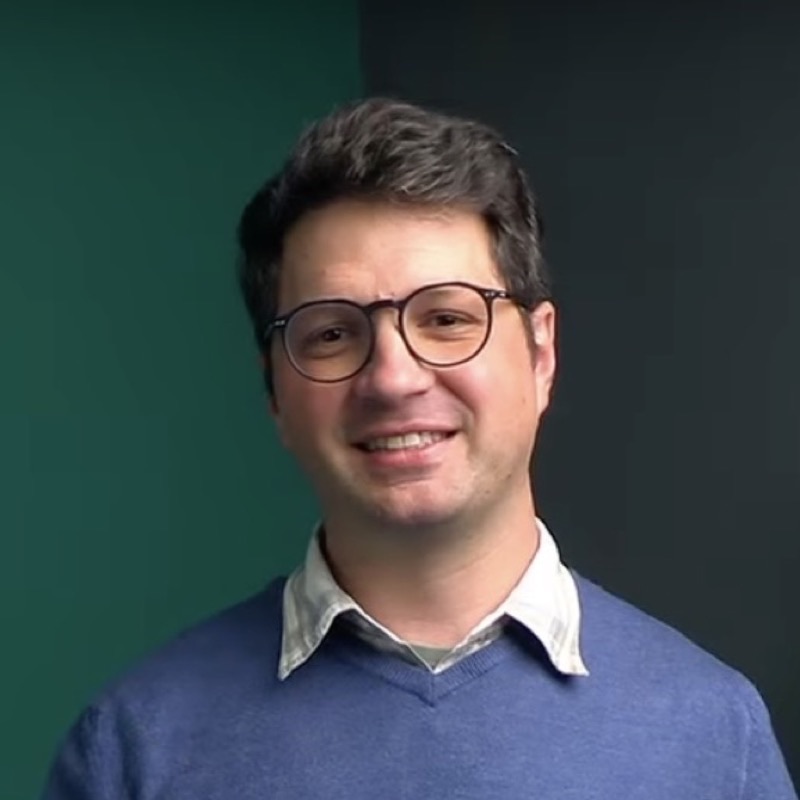
Carel Pienaar
MTh, North West University
Assistant Pastor, Gracefields, Fish Hoek

Corné Blaauw
PhD, Vrije Universiteit Amsterdam
Senior Pastor, Kraaifontein Baptist Church
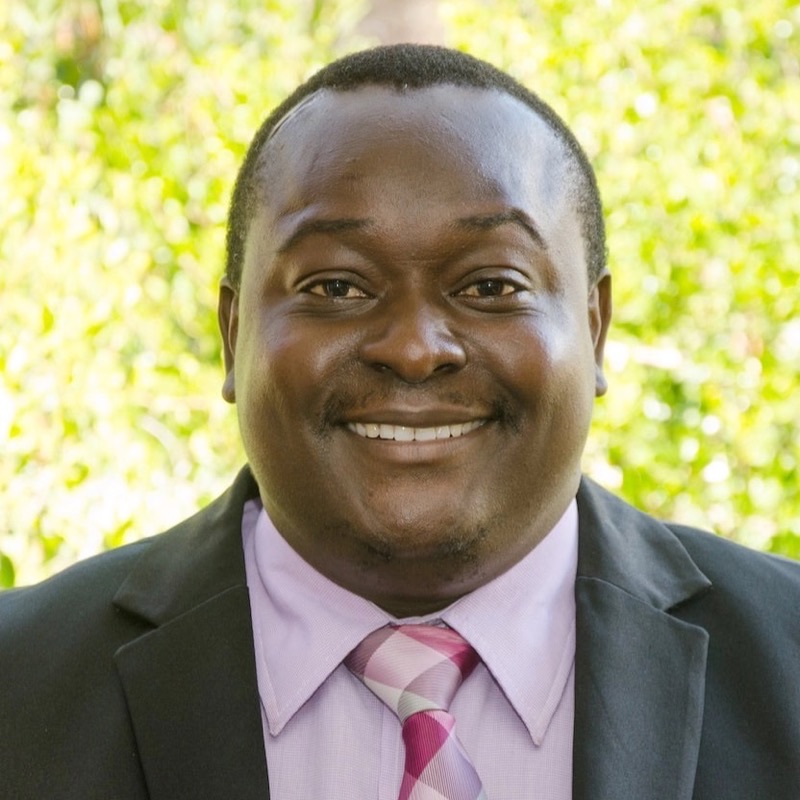
Daniel Simango
PhD, North West University
Principal, Bible Institute of South Africa, Kalk Bay
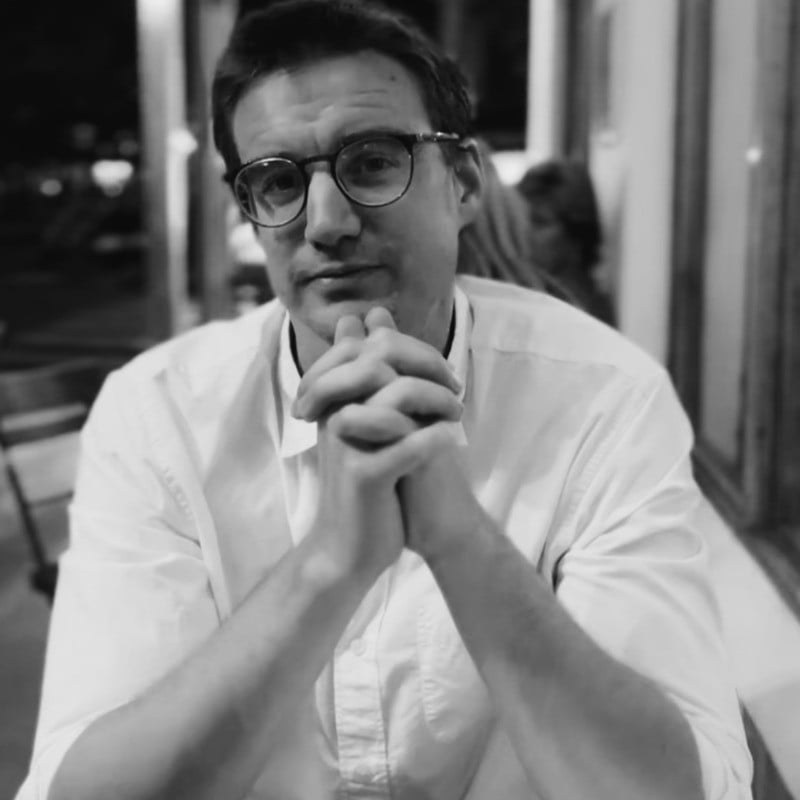
Graham Heslop
MTh, George Whitefield College
Editor-in-Chief, The Gospel Coalition Africa

Hans Madueme
PhD, Trinity Evangelical Divinity School
Professor of Theological Studies, Covenant College

Mark Dickson
PhD, North West University
Principal, George Whitefield College
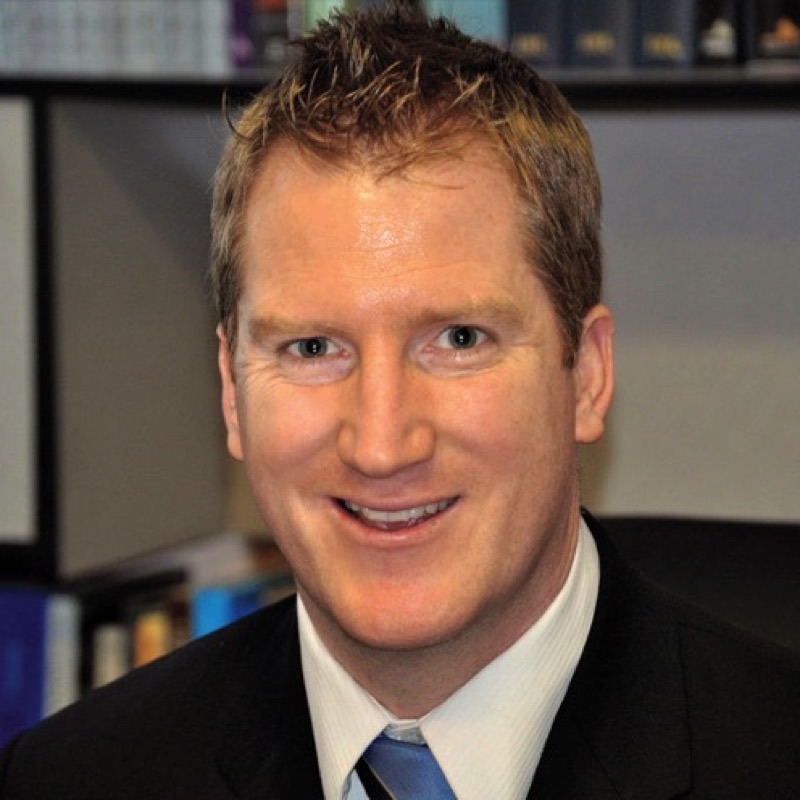
Mark Jones
PhD, Leiden University
Senior Pastor, Faith Reformed Presbyterian Church
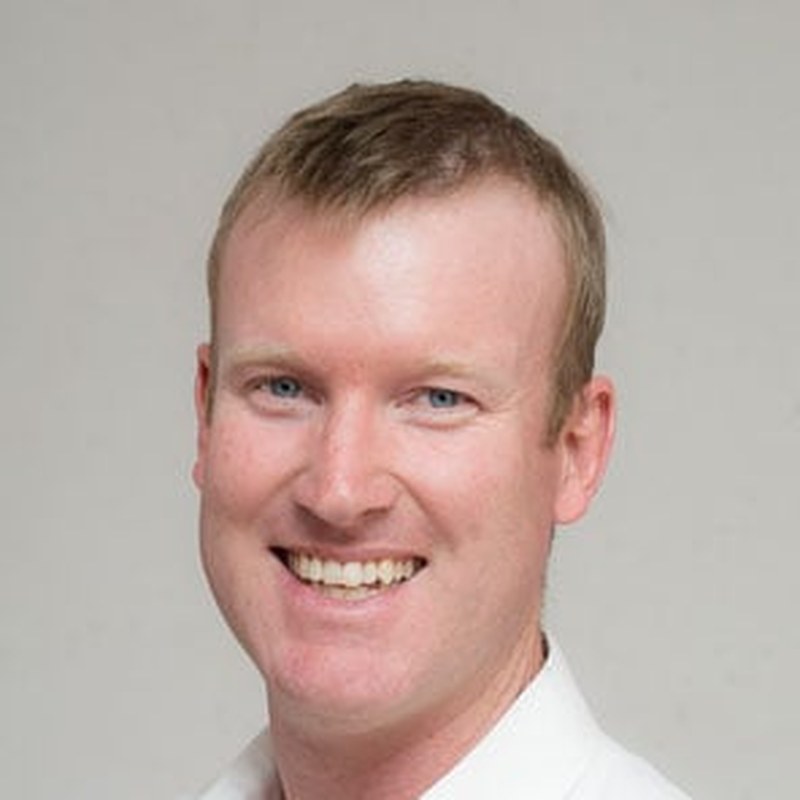
Martin Ricquebourg
PhD, North West University
Elder, Westminster Presbyterian Church, Perth, Australia

Parmesh Venkatasami
PhD candidate, North West University
Senior Pastor, Wychwood Baptist Church, Germiston
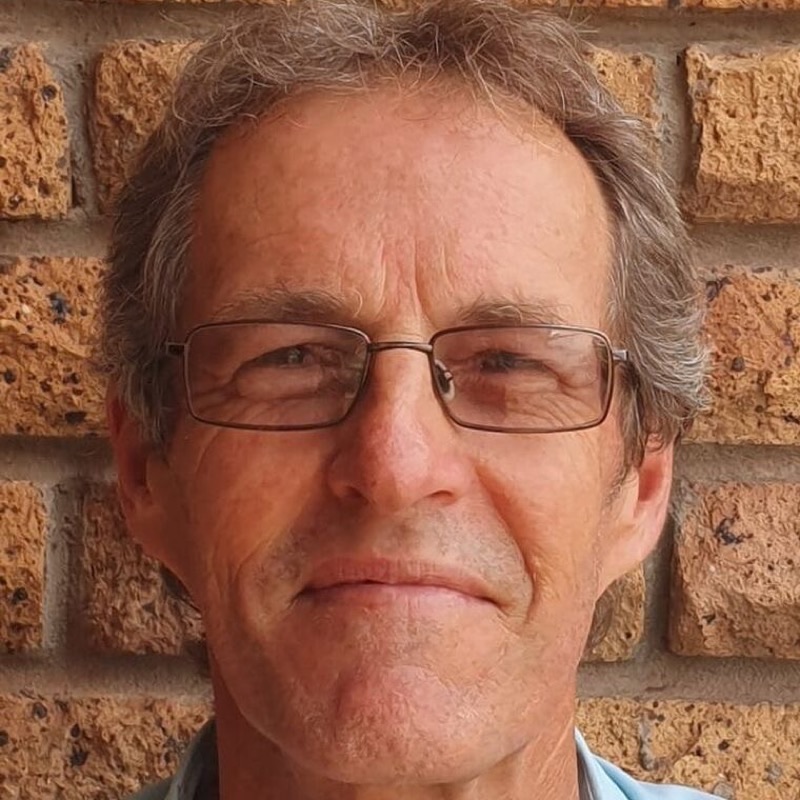
Paul Hartwig
PhD, Pretoria University
Senior Pastor, Lakeside Chapel, Betty’s Bay
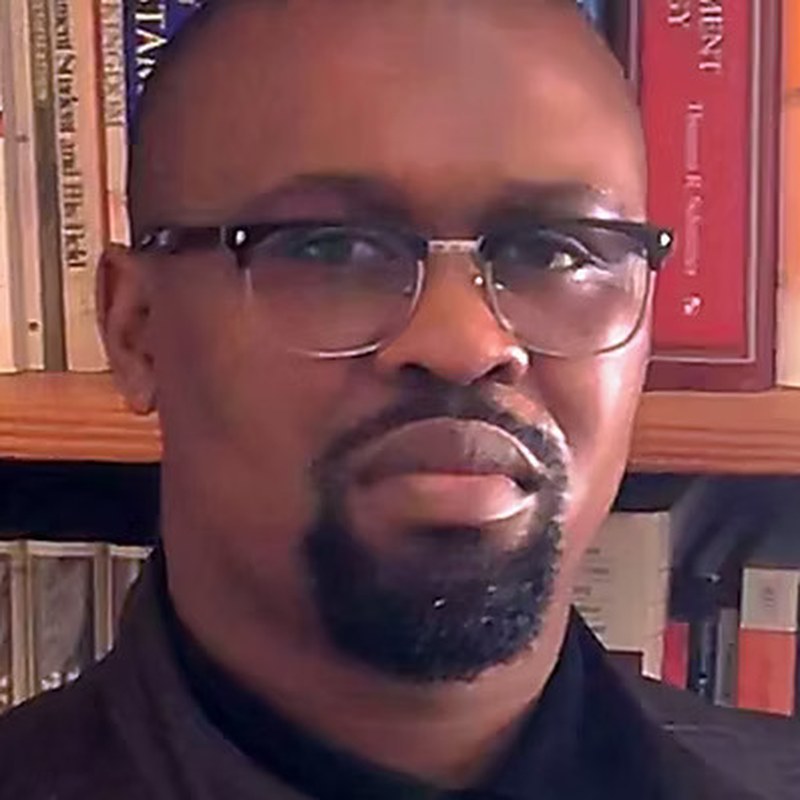
Sizwe Maseti
PhD candidate, North West University
Augustine Chair of Reformed Theology, Bible Institute of South Africa, Kalk Bay
Venue & practical details
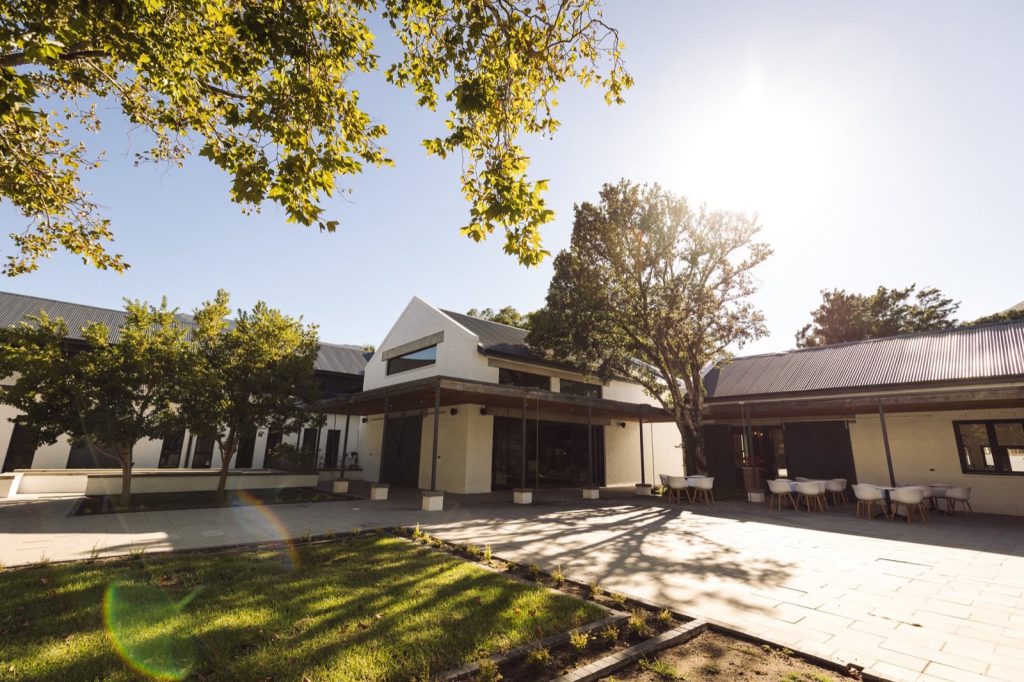
Reformed Church of Hout Bay.
Dates
Tuesday 1 to Thursday 3
September 2026
Fees
General delegate R600
Student R350
One-day visitor R300
Evening keynote R200
One-day visitors choose their day when registering. The evening keynote fee is per night — Tuesday or Wednesday, 17:30 — for those who cannot attend the day sessions.
Meals
Tuesday lunch
Wednesday breakfast & lunch
Thursday breakfast & lunch
Included for registrations completed on or before 25 August. Registrations from 26 August do not include meals.

Register
Join us in Cape Town.
General delegate R600 · Student R350 · One-day visitor R300 · Evening keynote R200 per night. Registration takes a minute.
Tickets still available — registrations from 26 August do not include meals.

Register early: free book for the first 200.
General delegates and students each receive a copy of Defending Sin: A Response to the Challenges of Evolution and the Natural Sciences — Hans Madueme (Baker Academic, 2024).